CISH 2026
User Dashboard/Login
Skip to content

Discover Leipzig

Leipzig is located in a historically rich region of central Germany, surrounded by destinations ideal for day trips that showcase heritage from early humanism to industry and wine culture. The organizers will suggest several excursion options for Sunday, 30 August.

City Tours

If you want to discover Leipzig by foot, bicycle, boat, or bus, you can book a variety of city tours to explore the city’s rich history and vibrant culture.


Book a Tour

Featured Attractions

01

Leipzig Gewandhaus & Opera

Leipzig is a favorite destination for lovers of classical music. The opera and Gewandhaus offer a rich musical programme throughout the year, continuing the city’s proud musical heritage.


Transportation

Both venues are centrally located and easily accessible by public transport

Events & Schedule

Check their websites for current concert and opera schedules

Ichwarsnur, CC BY-SA 4.0 , via Wikimedia Commons
02

Grassi Museum

The Grassi Museum comprises three museums: the Ethnographic Museum, the Museum of Musical Instruments, and the Museum of Applied Arts. Initiated in 1880, the museum(s) have seen multiple transitions and changes- not only in the form of moving places and renovations, but also the collections have changed significantly. Especially because of the debate around restitution that started in the 2010, the ethnographic museum in the building has launched a new main exhibition called “Reinventing Grassi” that offers a critical perspectives on how exhibitions are being curated and inviting for more diverse perspectives, with projects of non-German curators as well as a collaboration with arts and literature students to allow for more diverse approaches. It is definitely worth a visit to see how a local museum reacted and adapted to critical postcolonial theory in practical ways. The main exhibition of all three museums is free of charge.

Opening Hours

Tuesday, Thursday to Sunday 10 AM - 6 PM Wednesday 12 PM - 8 PM

03

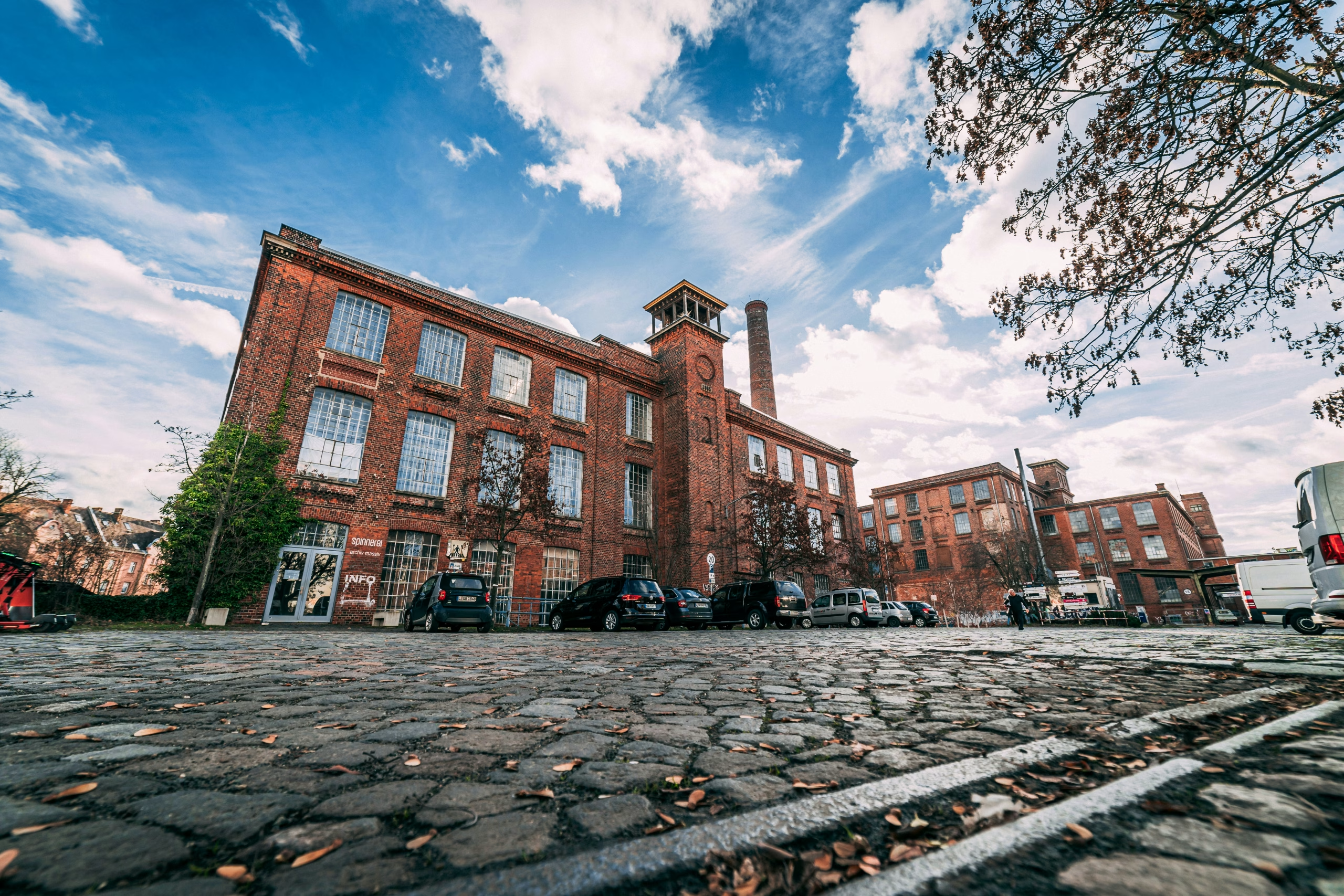
Leipziger Baumwollspinnerei

Once the largest cotton mill in continental Europe, the Baumwollspinnerei has been transformed into one of Europe’s most dynamic centers for contemporary art and culture. Today, it houses over a hundred artist studios, fourteen galleries, design and media workshops, performance spaces, and cultural institutions such as HALLE 14, the Residenz Theater, and the LuRu cinema.

Since the early 1990s, artists, photographers, sculptors, and conceptual creators have turned the industrial complex into a vibrant cultural hub. Visitors can explore exhibitions, attend gallery weekends, engage with artists, and experience Leipzig’s unique fusion of historical industrial architecture and cutting-edge contemporary art.

Opening Hours

Tuesday to Saturday 11 AM - 6 PM

Leipziger Baumwollspinnerei
04

Leipzig’s lake district

After a busy day at the conference, the lakes around Leipzig offer a refreshing escape into nature. Many of these lakes, such as Cospudener See and Markkleeberger See, were formed from former open-cast coal mines and have been transformed into clear-water recreational areas. Today, they are ideal for walks, cycling, or a quick swim, with beaches, trails, and green spaces that invite relaxation. Most lakes are easily accessible by local public transport, making them perfect for a short trip to cool down, enjoy the scenery, or simply unwind after sessions and meetings.

Leipzig’s lake district
05

Moritzbastei

The Moritzbastei is the only remaining part of Leipzig’s town fortifications. Restored by students (including former Chancellor Angela Merkel) in the early 1970s, it now serves as a popular student bar and restaurant, while also offering guided tours, plays, and concerts.


Transportation

Located near the city center, accessible by public transport

Events & Schedule

Guided tours available, plus regular plays and concerts. Check their website for current programming.

Timur Y, CC BY 3.0 , via Wikimedia Commons
06

Museum of Fine Arts Leipzig (Museum der bildenden Künste)

Leipzig is home to both a rich tradition of arts collections and a particularly innovative arts scene with several generations of internationally recognized painters. This is why a visit to The Museum of Fine Arts Leipzig (Museum der bildenden Künste) is worth the time to get a concise overview of European art history with a strong connection to the city’s own cultural heritage. Its free permanent exhibition that traces artistic developments from the Middle Ages to the present, and highlights Leipzig’s role in modern and contemporary art.

In August 2026, the special exhibition Bilderkosmos #3 will be on display, focusing on modern, GDR-era, and contemporary works with a strong local perspective. The exhibition features artists linked to Leipzig, including figures of the Leipzig School and the city’s Academy of Visual Arts, placing regional art history in a wider national and international context.

Opening Hours

Tuesday, Thursday to Sunday 10 AM - 6 PM Wednesday 12 PM - 8 PM

07

Thomaskirche (St. Thomas Church)

The Thomaskirche is where Martin Luther once preached and where Johann Sebastian Bach served as music director. This historic church is a must-visit for history and music lovers alike.

Transportation

Located in the city center, easily accessible by tram or on foot from most hotels

Events & Schedule

Motetten (small services with mainly musical programme) every Friday at 6:00 PM • Motetten every Saturday at 3:00 PM • Tours for visitors available

Markv at nl.wikipedia, CC BY-SA 3.0 , via Wikimedia Commons
08

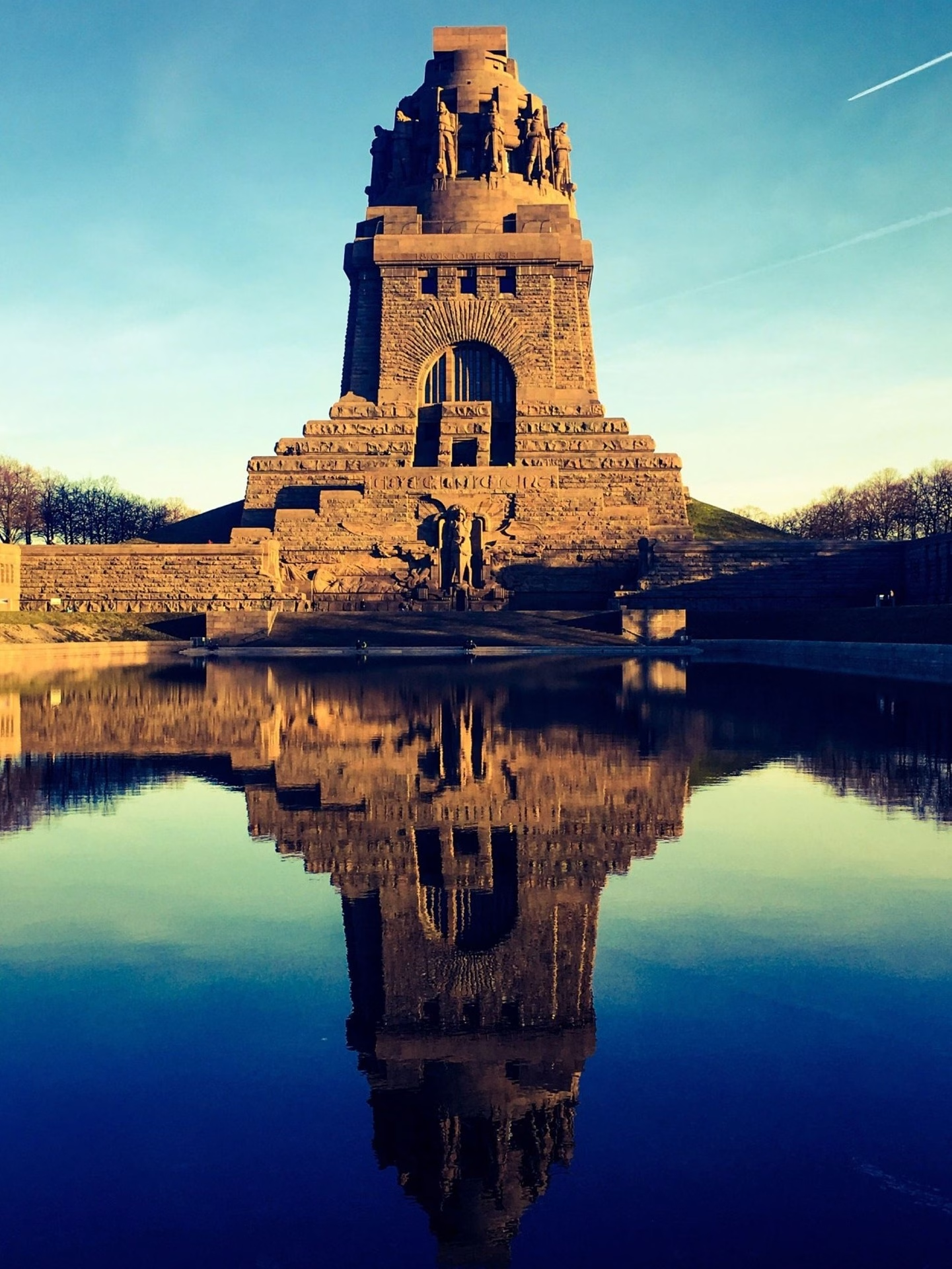
Völkerschlachtdenkmal (Monument of the Battle of Nations)

The Monument of the Battle of Nations is always worth a visit, offering panoramic views of Leipzig and commemorating one of the most significant battles in European history.


Opening Hours

Daily from 10:00 AM to 6:00 PM

Transportation

From the conference venue or Leipzig central station, take tram line 15 (direction Meusdorf) until the stop "Völkerschlachtdenkmal"

Völkerschlachtdenkmal (Monument of the Battle of Nations)
09

Zeitgeschichtliches Forum

This museum is part of the House of History of the Federal Republic of Germany (Bonn) and offers a focused insight into Germany’s recent past with a strong local perspective. Its free permanent exhibition introducing the history of the GDR, the peaceful revolution of 1989, and the process of reunification, linking Leipzig’s civic movements to national developments and international transformations.

By connecting these historical events to the present day, the forum situates themes such as protest culture, civil participation, and the ongoing debates around German unity within contemporary public discourse.

In August 2026, the forum will host an additional free temporary exhibition exploring the changing culture of gardening in Germany. From post-war utility gardens to status-symbol home gardens, and today’s urban gardening initiatives, the exhibition highlights how social, economic, and environmental factors shaped the way Germans cultivate and use their gardens. Visitors can explore historical objects, contemporary projects, and interactive installations that connect local history with broader societal trends.

Opening Hours

Tuesday to Sunday 10 AM - 6 PM

10

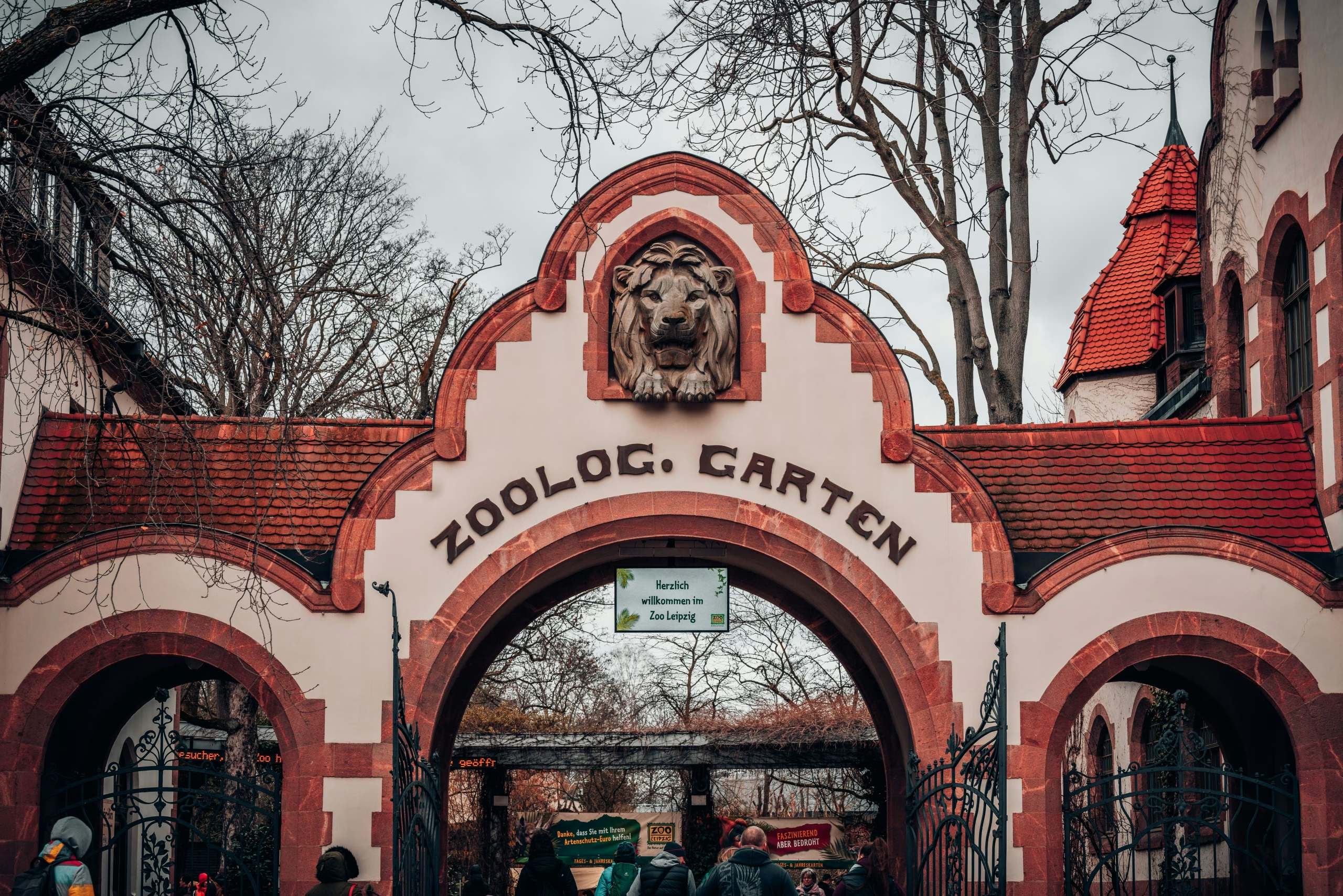
Leipzig Zoo

This is not only one of Germany’s oldest but also one of the most innovative zoological gardens in terms of presentation and connection to research and preservation. It offers a unique opportunity to explore wildlife in carefully designed habitats that combine education, conservation, and research. Highlights include the Gondwanaland tropical hall, home to exotic plants and animals, as well as immersive exhibits showcasing species from Africa, Asia, and the Americas. The zoo emphasises Leipzig’s commitment to biodiversity and environmental awareness, making it an engaging destination for visitors of all ages.

Admission: Full-price tickets are €24 for adults, €18 for students and seniors, and €12 for children aged 4–15. Children under 4 enter free.

Opening Hours

Monday to Sunday 9:00 AM - 7 PM

Transportation

By tram 12 to Zoo stop

Leipzig Zoo

Day Trips

Bad Kösen

Bad Kösen

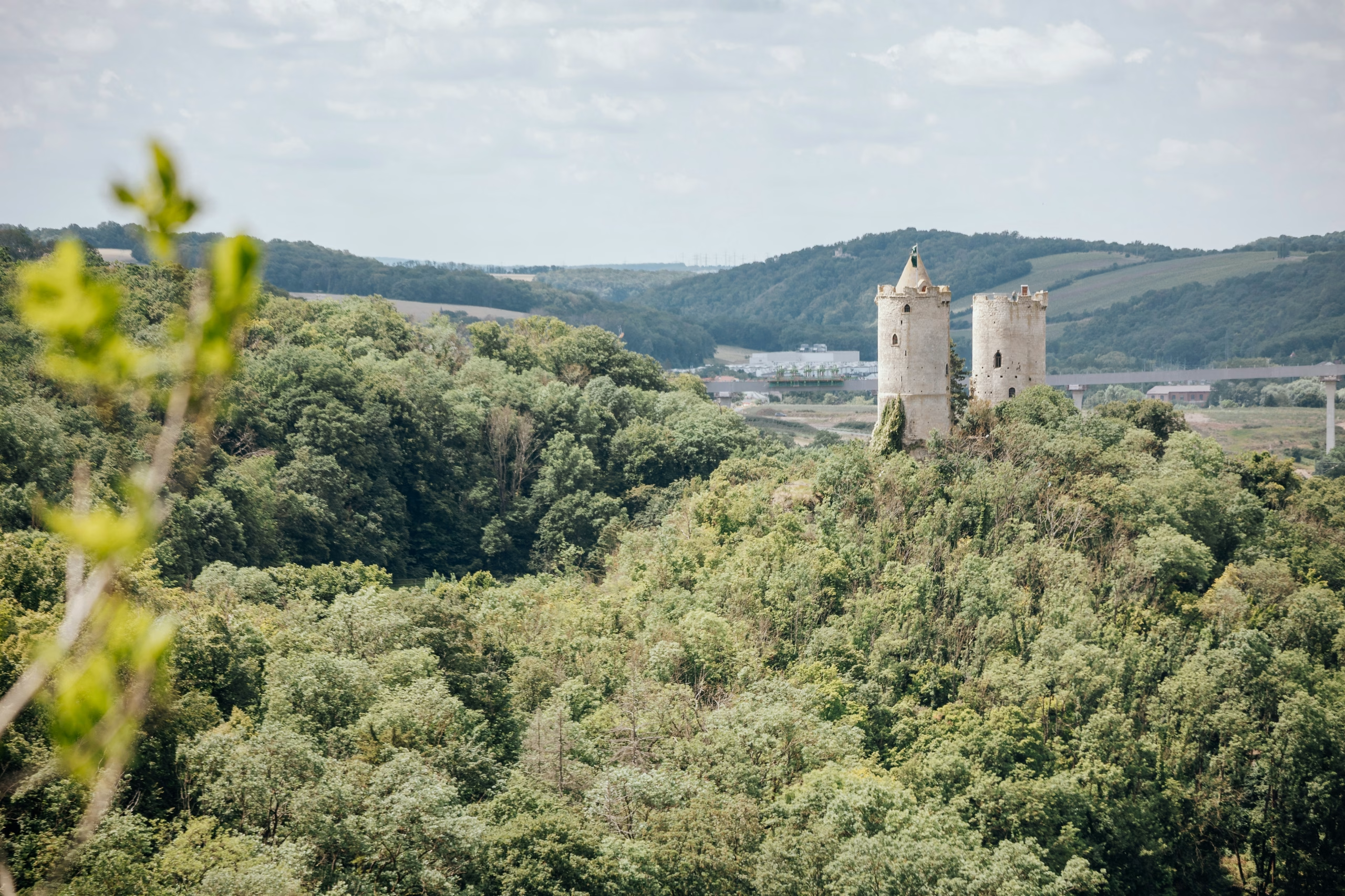
The hiking route in Bad Kösen itself leads from the town to the historic Rudelsburg, a favorite among students for centuries, and continues to the picturesque Burg Saaleck.

Starting at the Ringhotel „Mutiger Ritter“, the trail follows the Saale River, passing the Johannisquelle and the Löwendenkmal memorial, before climbing through the forest to the Rudelsburg. After a visit—and perhaps a refreshing regional beer—the hike continues to Burg Saaleck, offering scenic paths, historic architecture, and charming viewpoints. The return route winds through woodland and along the river, completing a circular tour that blends history, landscape, and culture in a single, accessible outing. Late summer is an especially inviting time, with warm weather perfect for exploring the vineyards, enjoying the views, and stopping at local inns along the way.

Train Connections

RE 15 55 minutes

Leipzig Hbf - Bad Kösen

Frequency: Multiple daily

Stable regional pricing

Chemnitz

Chemnitz

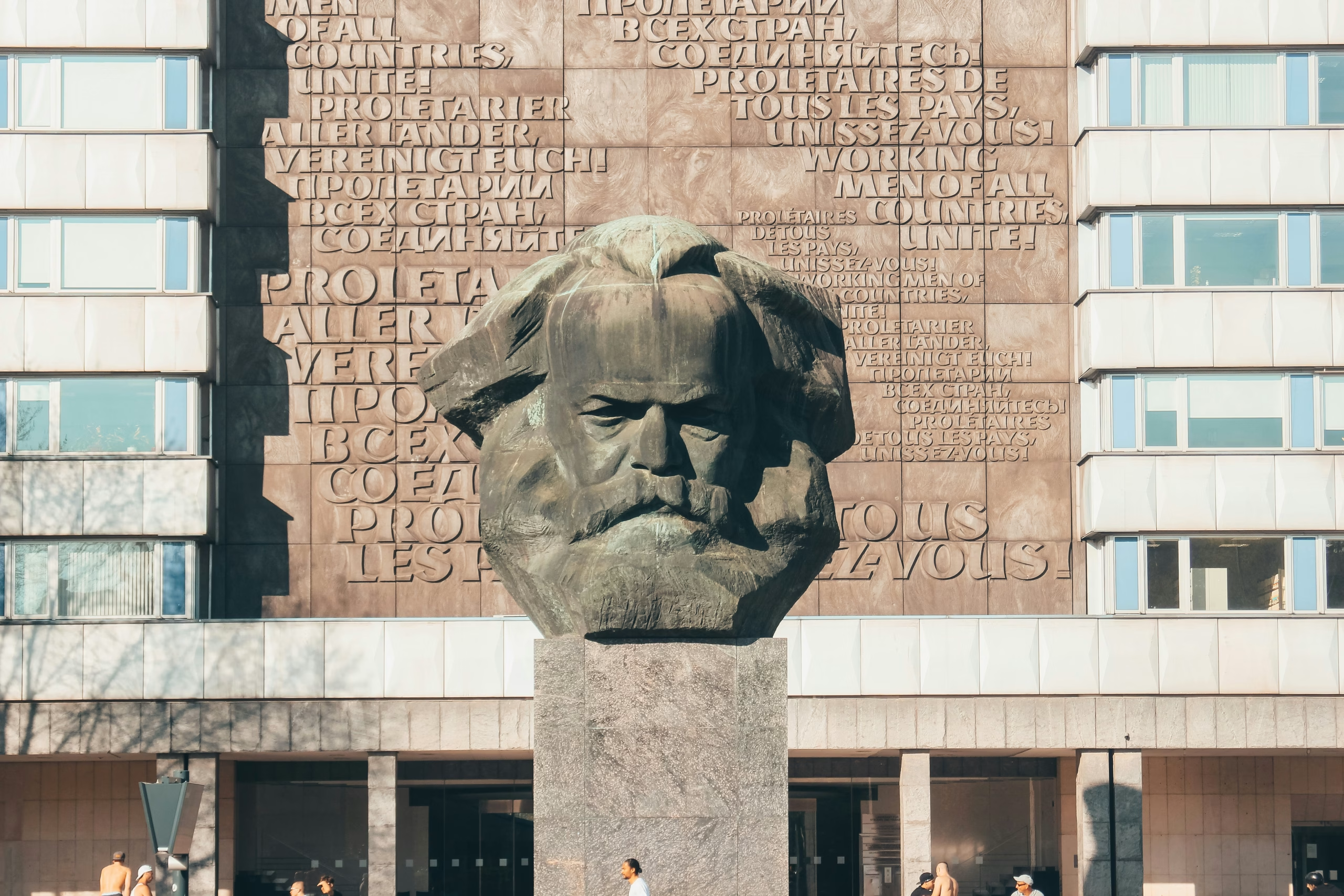
Especially for historians of social history, socialism/communism and industrialisation, this city might offer a lot to explore for a day trip. Historically, the city is also known as “Karl-Marx-Stadt”, with the big monument of his head is still a reminder of. Aside from that, Chemnitz has been an important socio-economic hub for industrialisation since the 19th century and therefore, was also named capital of culture (Kulturhauptstadt) in 2025 by the EU commission, turning its regional strength into a unique cultural attribute, including the connection to the Ore mountains and the Vogtland. Some sights to visit are the art collection of over 700.000 pieces, the water castle Klaffenbach or the spinning mill in the industrial part of the city, making it a good all-rounder day trip. You can take the regional train from Leipzig main station every hour and arrive in Chemnitz in an hour.

Train Connections

RE 6 ~ 1 hiur

Leipzig Hbf - Chemnitz Hbf

Frequency: Hourly

Stable regional pricing

Dessau-Roßlau

Dessau-Roßlau

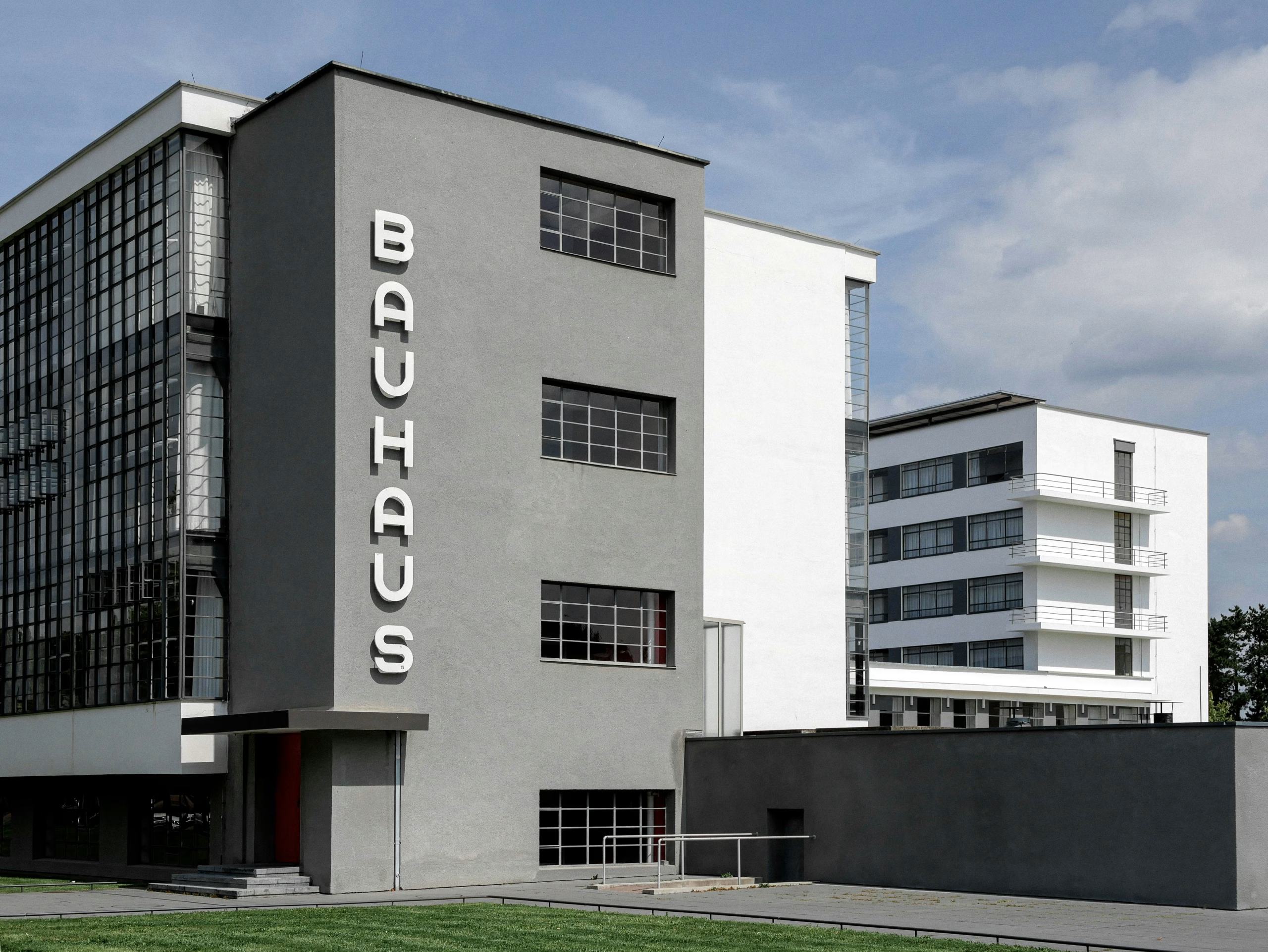
This small city might be of particular interest for lovers of the Bauhaus Style. There are more than 300 Bauhaus buildings in Dessau. The Bauhaus principle of “form follows function” can be seen here to full effect, as well as the artistic work of the Bauhaus masters, such as Walter Gropius, Marcel Breuer and Wassily Kandinsky. The Bauhaus Museum Dessau, which opened in 2019, shows the world’s second-largest collection of Bauhaus exhibits and tells the story of the Bauhaus as a school.

Besides that, another UNESCO heritage site is close by- the garden kingdom in Dessau-Wörlitz. Castles and parks, gardens and lakes make it a unique mixture of nature and culture worth exploring in late summer.

Train Connections

RE 13 ~40 minutes

Leipzig Hbf - Dessau Hbf

Frequency: Hourly

Stable regional pricing

Dresden

Dresden

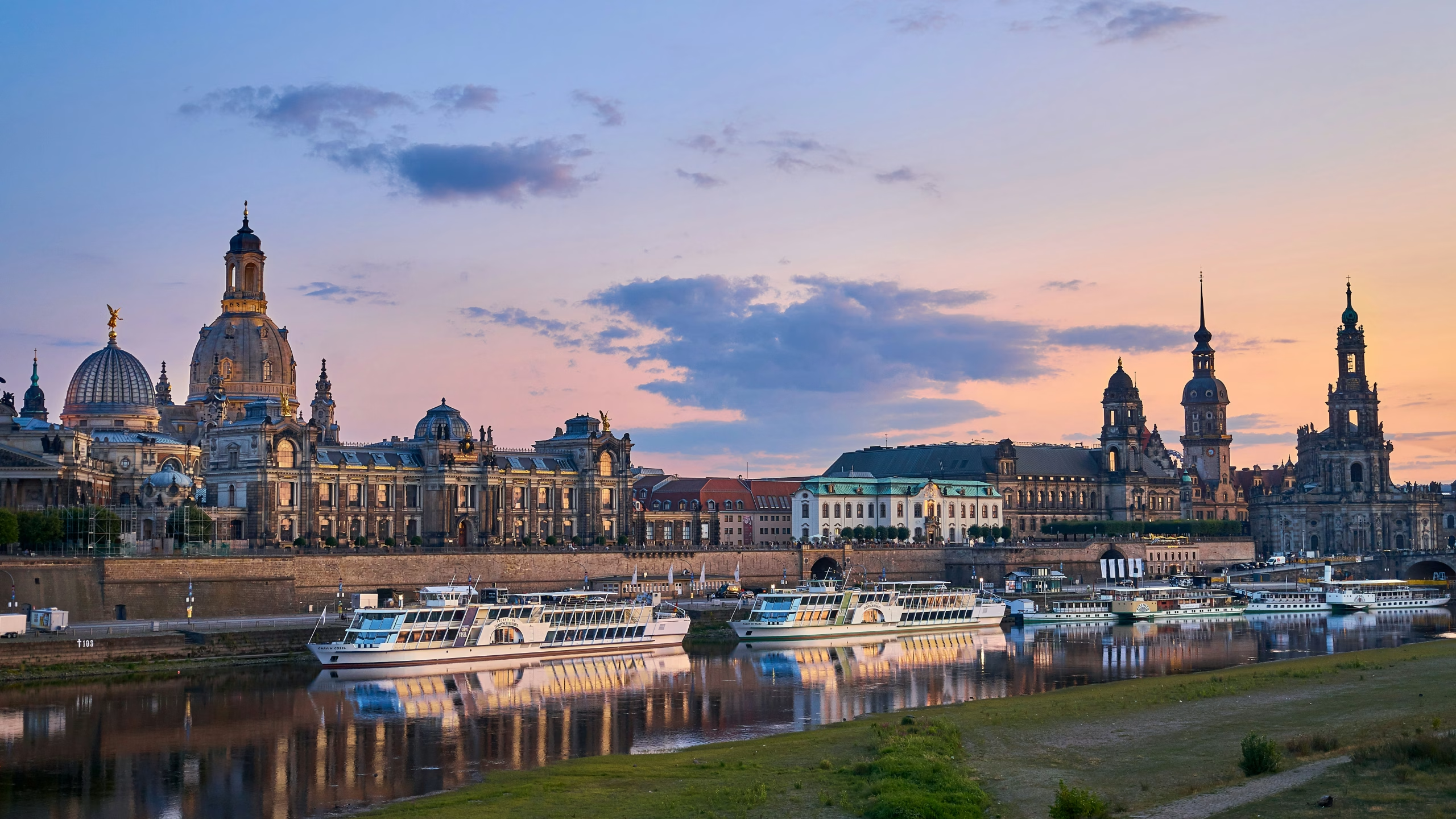
Dresden is a beautiful baroque city known for its stunning architecture, world-class museums, and rich cultural heritage. Visit the Zwinger Palace, Frauenkirche, and the famous Semperoper.


Train Connections

RE 50 (regional train) ~90 minutes

Leipzig Hbf - Dresden HbF

Frequency: Every full hour

Stable pricing, more affordable option

ICE (fast train) ~1 hour

Leipzig Hbf - Dresden HbF

Frequency: Several daily

Cheaper when booked in advance via German railway website

Erfurt

Erfurt

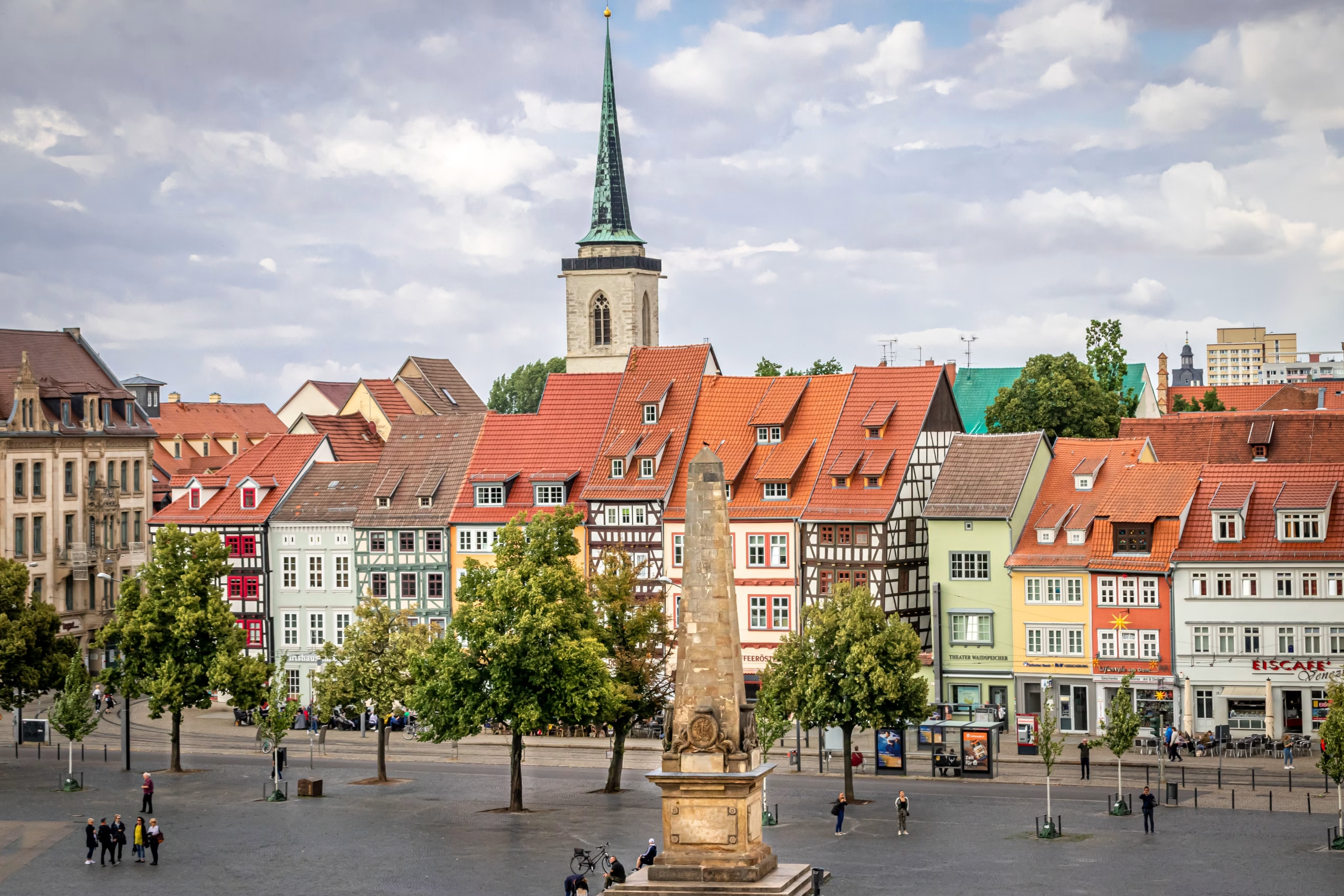
Erfurt, the capital of Thuringia, is one of Germany’s best-preserved medieval cities and an important historical center of trade, religion, and learning. Its striking landmarks include the Erfurt Cathedral and St. Severi’s Church overlooking the Domplatz, as well as the Krämerbrücke, Europe’s longest continuously inhabited bridge lined with half-timbered houses and small shops. The city also played a role in the early life of Martin Luther, who studied at its university. In late summer, Erfurt’s old town squares, riverside paths along the Gera, and outdoor cafés offer a lively yet relaxed atmosphere, making it an attractive and culturally rich destination for the conference visitors who can reach Erfurt by fast train within 40 minutes.


Train Connections

ICE 1558 or 509 ~45 minutes

Leipzig Hbf - Erfurt Hbf

Frequency: Multiple daily

Cheaper when booked in advance

RE 16 ~90 minutes

Erfurt Hbf - Weimar Hbf

Frequency: Regular service

Stable regional pricing

Halle (Saale)

Halle (Saale)

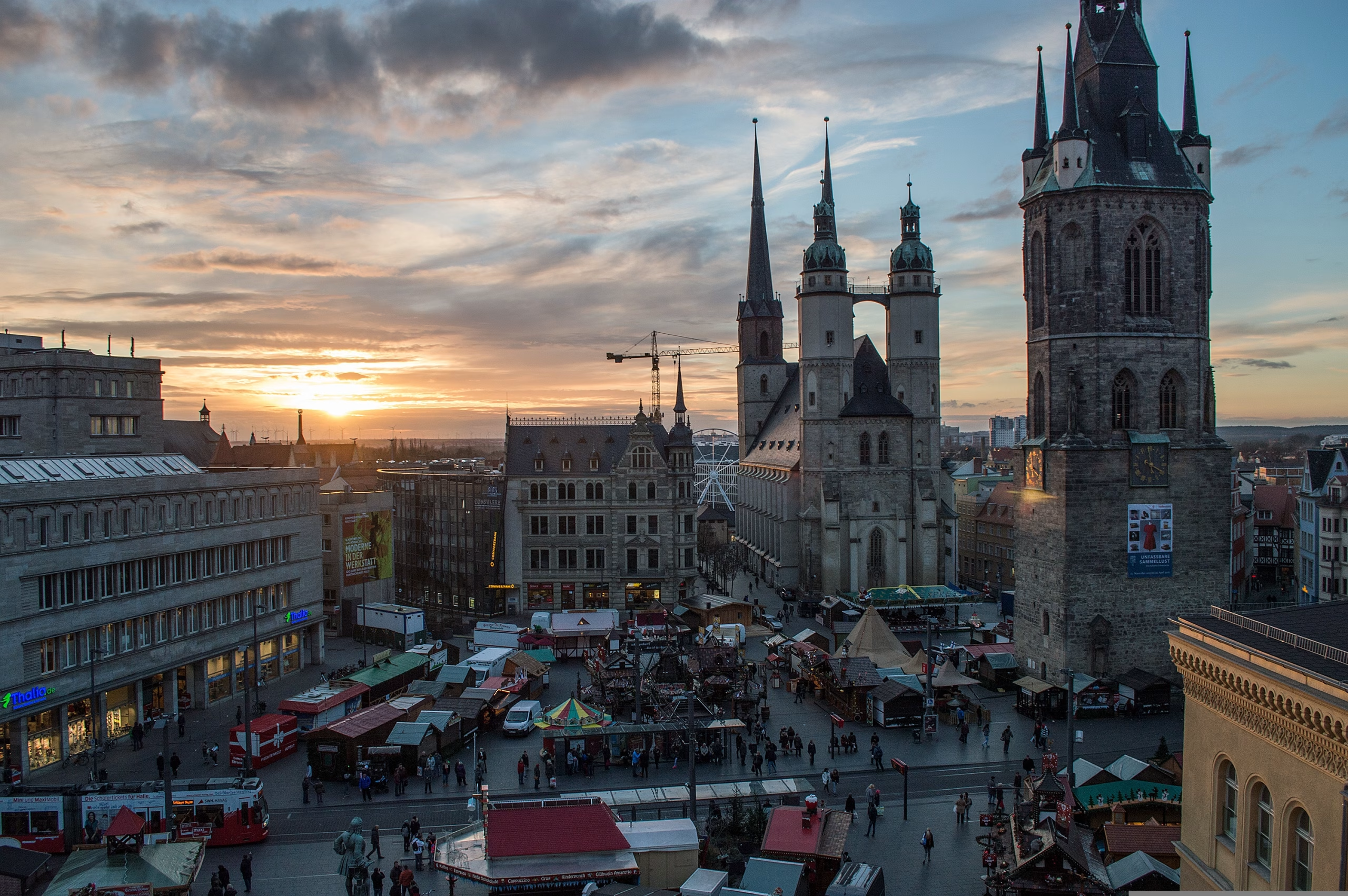
Halle an der Saale is a historic city in central Germany with more than 1,200 years of cultural and economic heritage, long shaped by its salt trade and its role as a center of learning and music. It is the birthplace of the Baroque composer George Frideric Händel, whose legacy remains an important part of the city’s identity. Visitors can explore highlights such as the State Museum of Prehistory, home to the famous Nebra Sky Disc, the Moritzburg art museum, and the Händel House. In late summer, Halle, which is only half an hour by local train away from Leipzig, offers a pleasant atmosphere with riverside walks along the Saale, green spaces like the Peißnitz Island, and seasonal cultural events, making it an inviting setting for both academic exchange and cultural discovery.

Train Connections

S 5/5X ~ 25 minutes

Leipzig Hbf - Halle (Saale) Hbf

Frequency: Every 30 minutes

Stable regional pricing

Meißen

Meißen

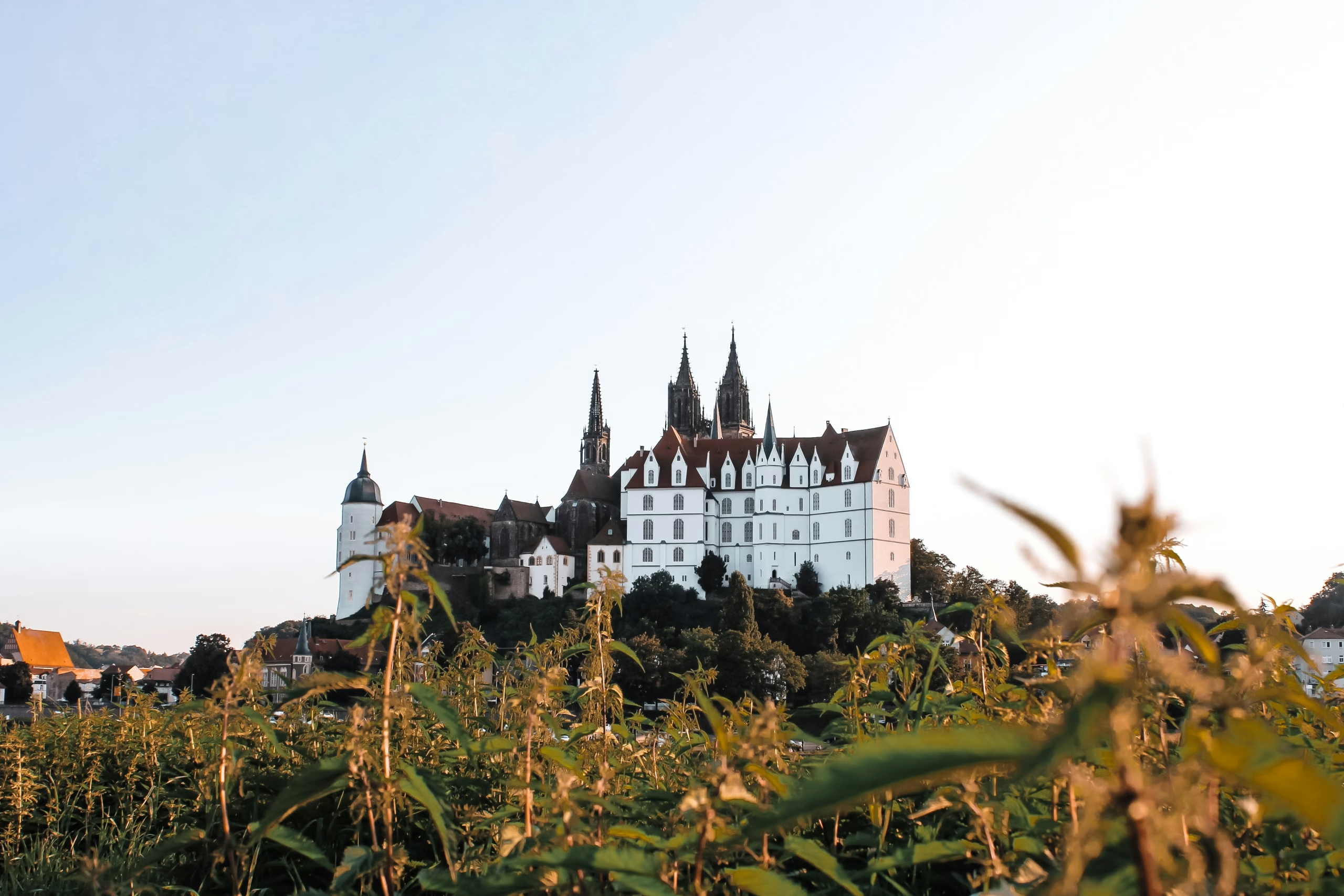
Perched on the Elbe River, Meißen is renowned for its rich history and striking architecture. The town is home to the Meißen Cathedral (Dom), a masterpiece of Gothic design, and the Albrechtsburg, Germany’s first castle built specifically as a residential palace, offering spectacular views of the town and river.

Meißen is also famous for its porcelain manufactory, where visitors can explore the origins of the world-renowned Meißen porcelain and its intricate craftsmanship. The historic old town, with its narrow streets, museums, and charming squares, invites exploration, making Meißen a perfect destination for those interested in history, art, and regional culture.

Train Connections

RE 50 + S 1 ~ 90 minutes

Leipzig Hbf - meißen

Frequency: Hourly

Stable regional pricing

Radebeul

Radebeul

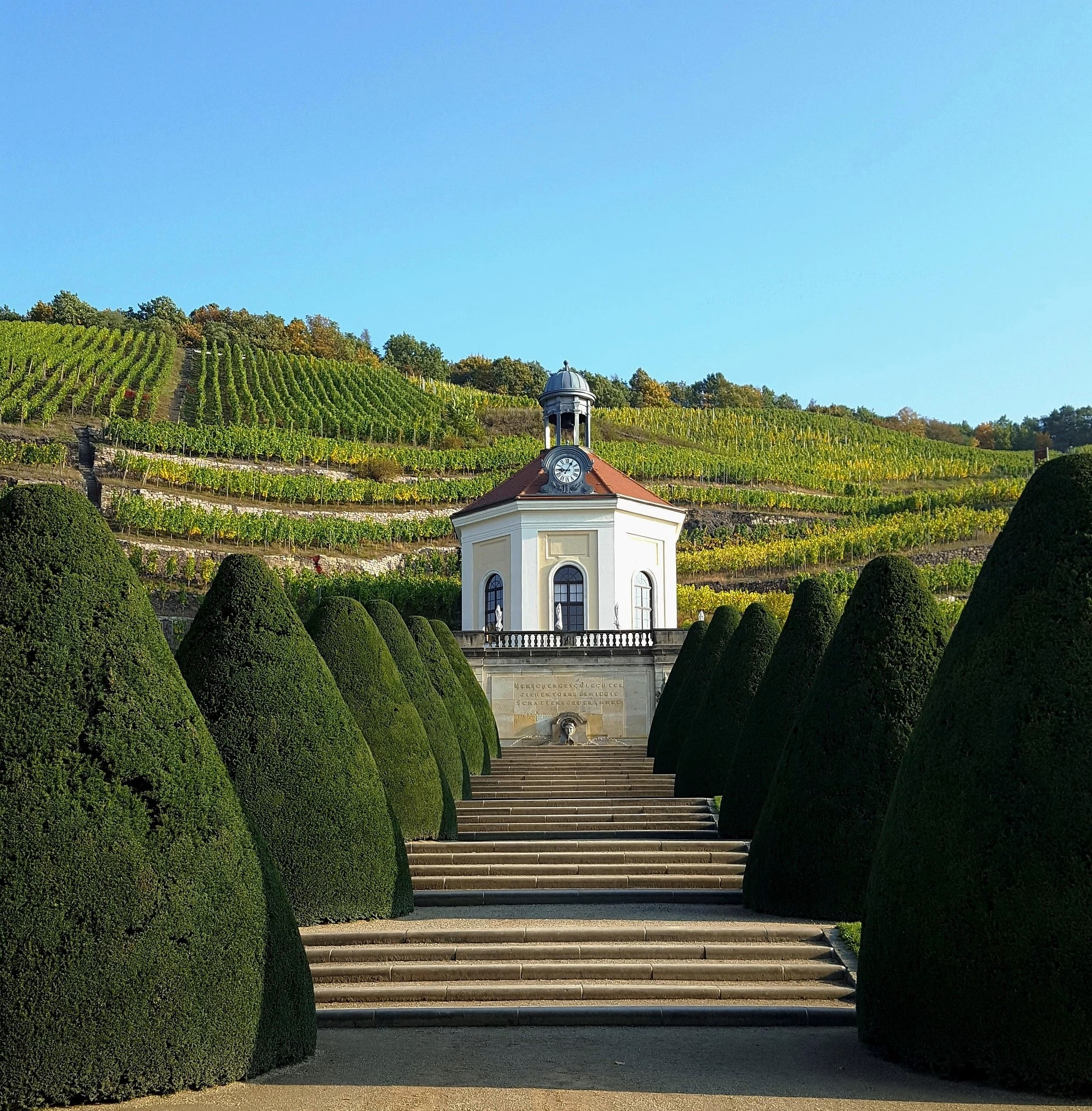
Nestled in the picturesque Elbe Valley, Radebeul has long been known as the “Saxon Nizza” for its sunny vineyards and rich wine-growing tradition. Historically one of Saxony’s most important wine-producing towns, it combines scenic landscapes with elegant villas, historic castles, and charming streets that reflect its 19th- and early 20th-century architecture.

Radebeul is also home to notable cultural sites such as the Karl May Museum, celebrating the life and works of the famous adventure writer, and other local museums that highlight the town’s history and traditions. Late summer is an ideal time to visit, when regional wines can be enjoyed directly from the vineyards, making it a perfect combination of history, architecture, and local flavour.

Train Connections

RE 50 80 minutes

Leipzig Hbf - Radebeul Ost

Frequency: every two hours

Stable regional pricing

Weimar

Weimar

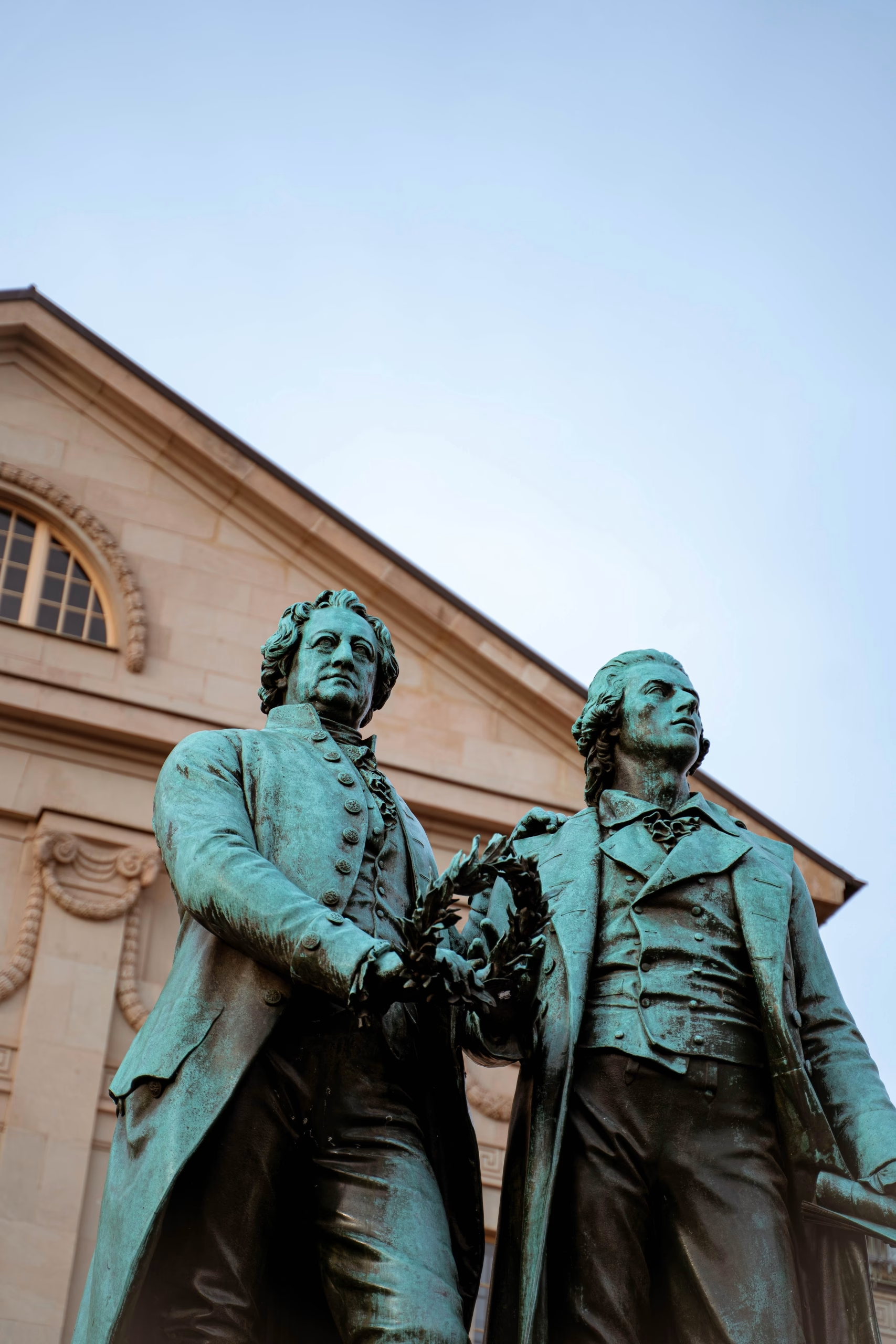
Weimar is a city of exceptional cultural significance in central Germany, renowned as the heart of German Classicism and a centre of intellectual and artistic life. It is closely associated with figures such as Johann Wolfgang von Goethe and Friedrich Schiller, whose former homes are now museums, and it is also linked to modern history as the birthplace of the Weimar Republic. Alongside this rich cultural legacy, Weimar confronts its darker 20th-century past through memorial sites such as the former Buchenwald concentration camp on the city’s outskirts and the new museum dedicated to forced labour under National Socialism. Visitors, who can reach the city from Leipzig by fast as well as by regional trains within approximately an hour and a half, can explore the UNESCO-listed Classical Weimar sites, the Bauhaus Museum, and the historic city centre, while in late summer the parks and gardens along the Ilm River invite contemplative promenades.

Train Connections

RE 6 + RB 20 ~ 1 hour 30 minutes

Leipzig Hbf - Weimar

Frequency: Every 2 hours

Stable regional pricing

Lutherstadt Wittenberg

Lutherstadt Wittenberg

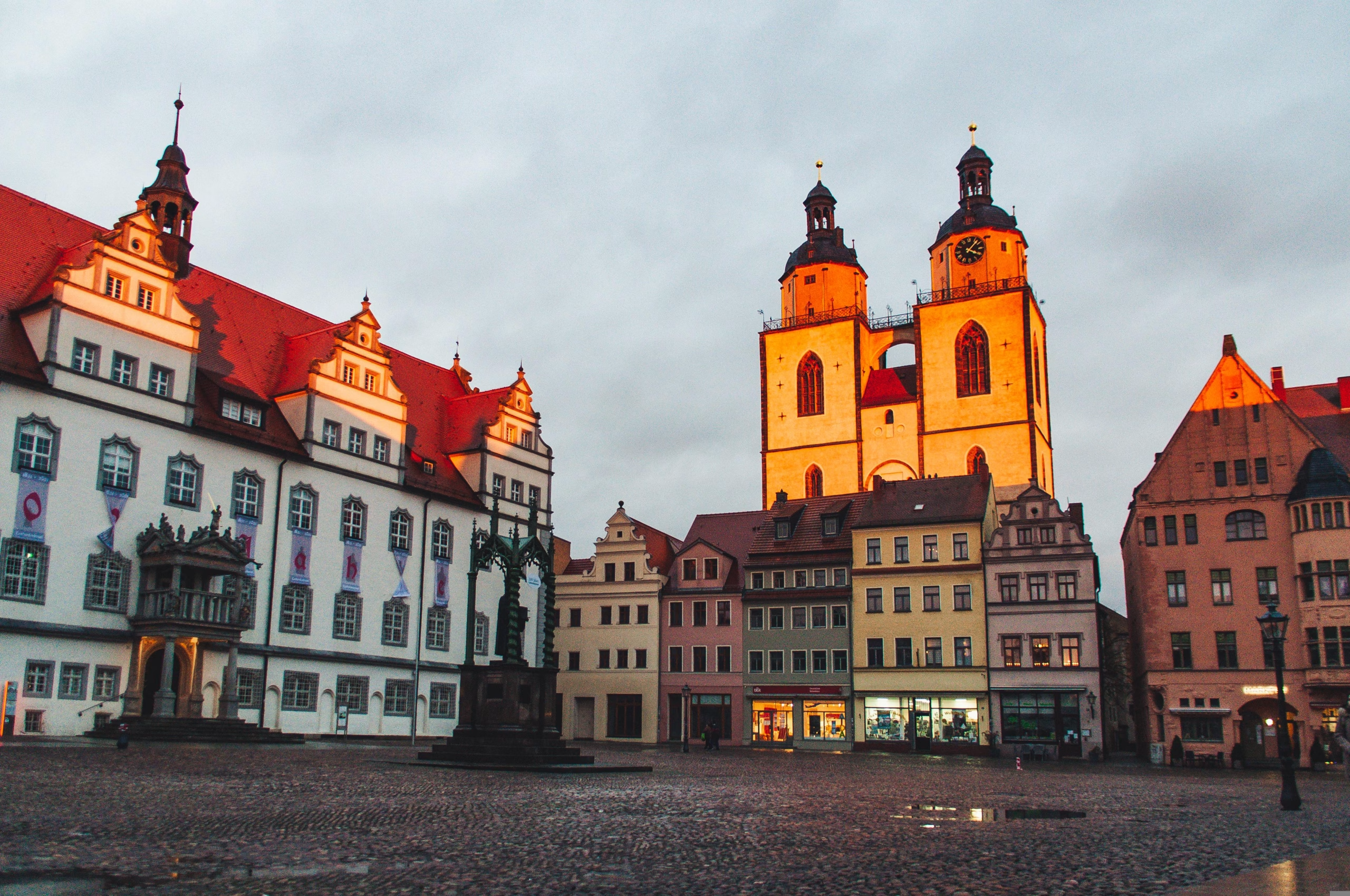
Wittenberg is a historic town in Saxony-Anhalt best known as the birthplace of the Protestant Reformation. It was here in 1517 that Martin Luther published his 95 Theses, an event that profoundly shaped European religious, cultural, and political history. Today, visitors can explore key UNESCO World Heritage sites such as the Castle Church, the Town Church of St. Mary, and Luther’s former home, now a museum. In late summer, the town, which is about 40 minutes local or regional train ride from Leipzig, offers a welcoming atmosphere with walks along the Elbe River, visits to its well-preserved historic centre, and cultural events that combine its rich heritage with a relaxed, small-town charm, making it an appealing destination for conference guests and cultural travellers alike.

Train Connections

ICE ~ 30 minutes

Leipzig Hbf - Wittenberg Lutherstadt HbfLuther

Frequency: Hourly

Cheaper when booked in advance

S 2 ~ 1 hour

Leipzig Hbf - Wittenberg Lutherstadt Hbf

Frequency: Every 2 hours

Stable regional pricing

Travel Tips

Regional trains have stable prices, making them an economical choice for spontaneous travel. However, for fast trains (ICE), it is advisable to book tickets in advance as prices are typically cheaper.

All tickets can be booked via the website of the German railway (Deutsche Bahn). The Deutsche Bahn app is also helpful for checking schedules and booking tickets on the go.